
Selecting the right furniture for a meeting area requires you to prioritize comfort, durability, and space efficiency, as the best way how to choose chairs for a conference room is to align the seat height and back support with the length of time people spend seated during your typical meetings.
Types of conference seating

You should compare these common styles to see which fits your office culture and room size.
| Chair Type | Best Use Case | Common Example |
|---|---|---|
| Task Chair | Long meetings | Adjustable office chair |
| Guest Chair | Short briefings | Stacking metal chair |
| Executive Chair | Boardroom settings | High-back leather chair |
| Folding Chair | Flexible spaces | Plastic folding seat |
| Stool | Standing desks | Adjustable height stool |
Task chairs for long meetings
Task chairs are designed for comfort during sessions lasting over two hours. They feature adjustable components that allow different users to maintain good posture throughout the day. These chairs are ideal for creative teams or project managers who hold deep-dive sessions.
- Adjustable lumbar support reduces lower back strain.
- Padded armrests prevent shoulder fatigue during typing.
- Swivel bases allow users to turn toward speakers easily.
- Pneumatic height adjustment ensures feet stay flat.
If you have a team member who is 5’2″ and another who is 6’4″, you need chairs with a wide range of height settings. Check the manufacturer’s technical sheet for the seat travel distance to confirm it fits your tallest and shortest staff members.
Guest chairs for quick briefings
Guest chairs are simpler, fixed-height seats meant for short interactions. They work best in reception areas or small huddle rooms where meetings rarely exceed 30 minutes. These chairs are usually lightweight and easier to move around a desk.
- Compact footprints save floor space in tight rooms.
- Stackable designs allow for quick storage after use.
- Fixed frames require almost no maintenance or repairs.
- Minimalist aesthetics keep the room looking clean.
If your office frequently hosts clients for brief check-ins, a set of four stackable guest chairs provides enough seating without cluttering the room. You can store them in a closet when not in use.
Executive chairs for boardrooms
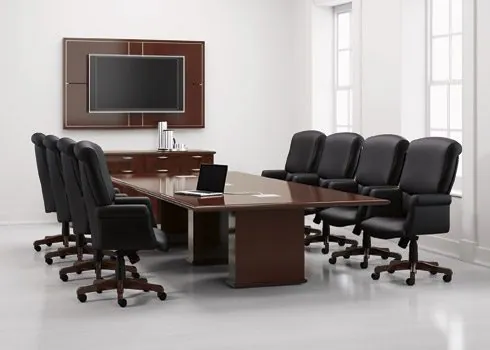
Executive chairs provide a professional look and high-level comfort for long-duration boardroom sessions. They’re typically larger than task chairs and use premium materials like leather or high-density foam. These are best for formal meetings with senior stakeholders or external partners.
- High backrests provide full spinal support.
- Heavy-duty bases offer superior stability for larger frames.
- Premium upholstery creates a polished visual impression.
- Tilt mechanisms allow for relaxed posture during long debates.
These chairs aren’t for small rooms because their size makes the space feel cramped. Per the ANSI/BIFMA X5.1 standards for office furniture, a chair must be tested for structural integrity and stability to ensure it remains safe for daily use in a professional environment.
Mistakes to avoid when buying
Buying the wrong chair can lead to discomfort and wasted money. Many people choose chairs based only on how they look, ignoring the physical needs of their staff. This mistake costs you in lost productivity if your team is distracted by back pain.
- Buying heavy chairs that are impossible to rearrange.
- Ignoring the seat width, which may be too narrow for some users.
- Selecting fabric that’s hard to clean or stains easily.
If your room layout changes often, don’t choose heavy executive chairs. Instead, pick chairs with smooth-rolling casters so your team can reconfigure the room in seconds.
Other seating options
- Benches: These offer space-saving seating for informal breakout areas, though they lack back support for long sessions.
- Active stools: These encourage movement and core engagement, perfect for standing-height tables in creative brainstorming rooms.
- Sofa sections: These provide a relaxed atmosphere for lounge-style meetings where comfort is the primary goal.
Steps to choose conference room chairs
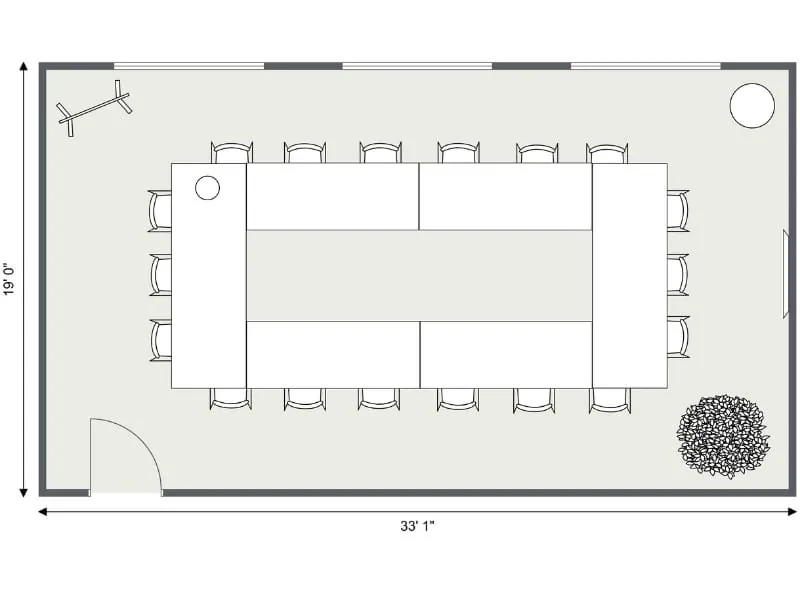
You should decide based on your meeting length and room size. If your meetings last over an hour, prioritize adjustable task chairs. If your room is small and used only for quick check-ins, choose compact guest chairs. If you represent a formal company, executive chairs are the standard. You can mix and match these styles, but keep the frame color consistent to maintain a professional look throughout the office.
Frequently asked questions
How long should a conference chair last?
A high-quality conference chair typically lasts for a long period with daily use. This lifespan assumes you follow the manufacturer’s weight limits and perform basic maintenance like tightening bolts every year.
How much weight should a chair hold?
Most standard office chairs support up to 250 pounds. If you need chairs for a wider range of body types, check the product specifications for a “heavy-duty” rating, which often goes up to 400 pounds.
Is it safe to use dining chairs in a conference room?
Dining chairs are generally not safe or ergonomic for office use. They lack the adjustable height and lumbar support required to prevent musculoskeletal injuries during long hours of sedentary work.
What happens if I buy chairs that are too large?
Large chairs make a room feel crowded and restrict movement. If you have less than 30 inches of space between the edge of the chair and the wall, you should choose a smaller, armless model.
Does the base material matter for carpet vs hard floors?
Yes, the wheel type decides performance. Use soft-tread casters for hard wood or tile floors to prevent scratching, and use hard nylon casters for carpet to ensure the chair rolls easily.
How do I clean conference room upholstery?
Check the cleaning code on the tag under the seat. Most office chairs require a mild water-based cleaner, but some high-end fabrics need professional dry cleaning to avoid permanent water spots.
Conclusion
Start by measuring the distance between your conference table legs to ensure the chair arms slide underneath comfortably. You should expect to see the chairs fit neatly against the table edge when not in use. If the chairs hit the table legs, it’s time to look for a model with a narrower base width.
Related guides