
Choosing a sectional sofa involves balancing your floor plan, your daily lifestyle habits, and the specific orientation of your room to ensure the piece fits both physically and functionally. You must measure your available space precisely, accounting for walkways and other furniture, to avoid overcrowding the room. A well-selected sectional acts as the anchor for a living area, providing ample seating while defining the boundaries of your relaxation zone.
Key Takeaways
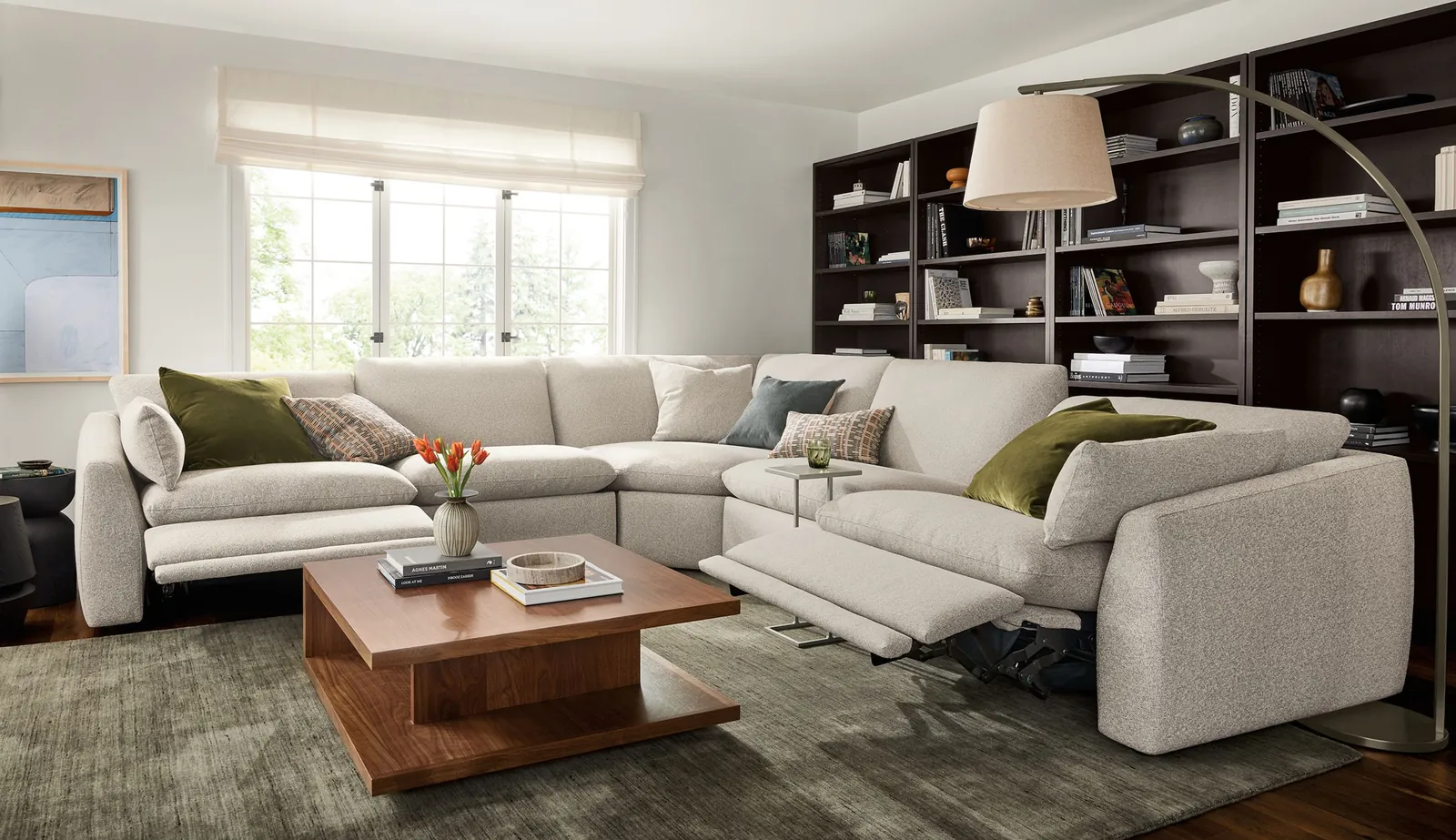
- Map your room dimensions using painter’s tape on the floor before purchasing.
- Confirm the orientation (left-arm facing or right-arm facing) before ordering.
- Prioritize durable fabrics like performance polyester or top-grain leather for heavy use.
- Ensure the frame is kiln-dried hardwood to prevent warping or sagging over time.
- Check that the sectional pieces fit through your home’s entryways and hallways.
How to Choose a Sectional
Selecting the right piece requires a systematic approach. Start by determining the primary function of the room. Is this a formal sitting area or a high-traffic zone for movie nights? If you have young children or pets, your fabric choice is the most critical decision. Opt for high-performance materials that resist stains and repel liquids. Frame construction is equally vital; look for corner-blocked, glued, and screwed joinery to ensure longevity.
Measuring Your Living Space
Before browsing, you must understand your room’s limits. Use a tape measure to mark the length and width of your potential sectional on the floor. Maintain at least 30 to 36 inches of clearance for walkways around the sofa. If your room is small, a modular sectional might be better than a fixed L-shape, as it allows you to rearrange components to suit changing needs.
| Measurement Type | Recommended Clearance | Purpose |
|---|---|---|
| Walkways | 30–36 inches | Traffic flow |
| Coffee Table | 14–18 inches | Leg room |
| Entryways | 3+ inches wider than piece | Delivery access |
Determining Your Sofa Configuration
The layout of your room dictates the shape of the sectional. An L-shaped sectional is ideal for corners, while a U-shaped design works best in larger, open-concept spaces where you want to create a conversation pit. Always verify the sectional orientation by standing in front of the sofa and looking at it; “left-arm facing” means the chaise is on your left when you face the piece.
Evaluating Comfort and Materials
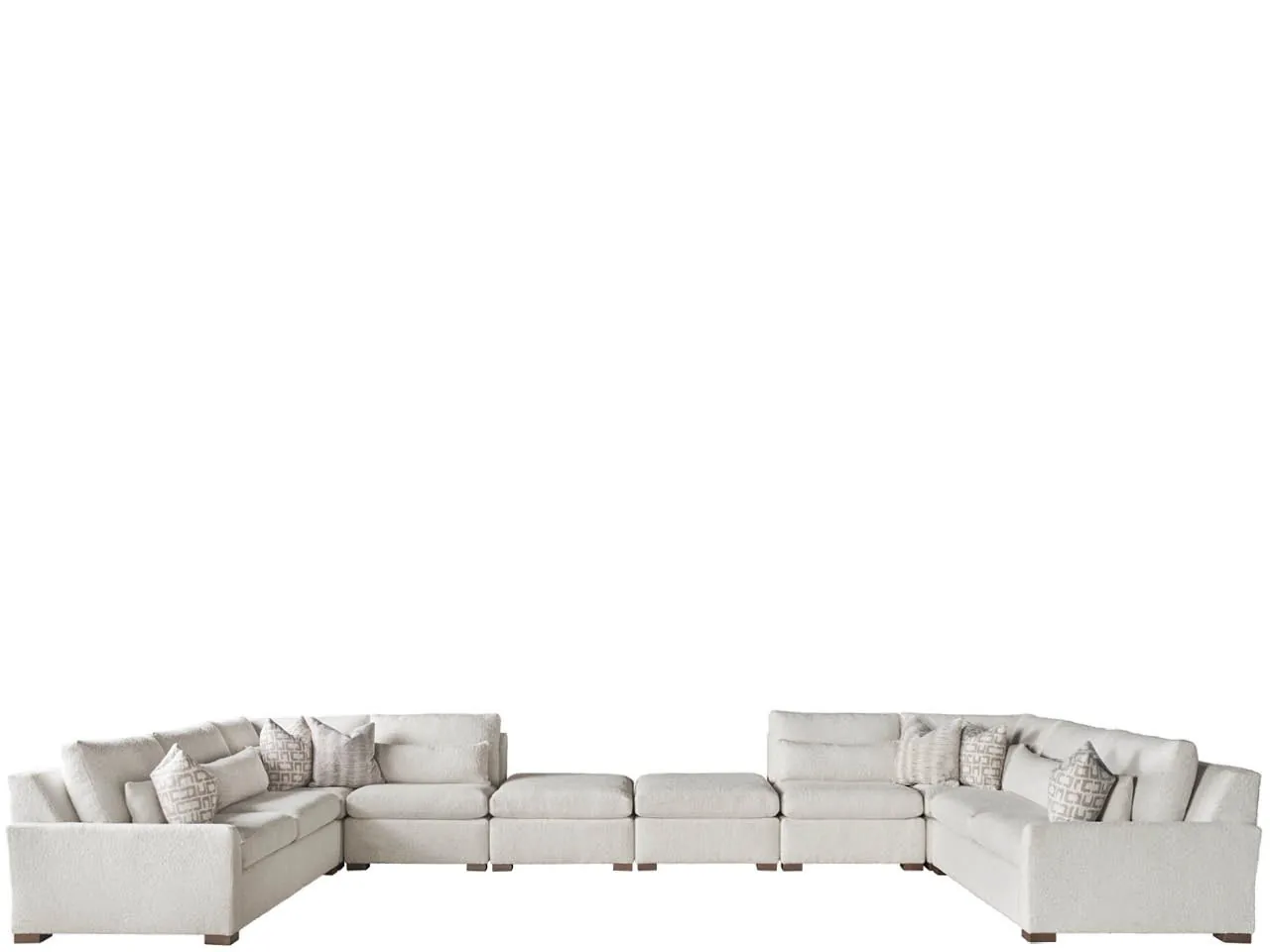
Comfort is subjective, but construction standards are universal. High-density foam cushions wrapped in fiber provide a firm, supportive sit, while down-blend cushions offer a softer, “sink-in” feel. According to the Consumer Product Safety Commission guidelines, manufacturers must adhere to specific flammability standards to ensure household safety. Always check the upholstery grade and durability rating, often measured in “double rubs,” which indicates how well the fabric stands up to friction.
Which Style Suits Your Home?
Your interior design aesthetic should inform your choice. A low-profile, track-arm sectional fits well in modern or mid-century settings, while rolled arms and tufted backs are hallmarks of traditional or transitional decor. Consider the leg finish and hardware, as these small details help integrate the sofa into your existing room color palette.
Comparing Common Sofa Shapes
| Shape | Best For | Footprint |
|---|---|---|
| L-Shape | Corners | Compact |
| U-Shape | Large Rooms | Expansive |
| Modular | Flexible Layouts | Customizable |
Troubleshooting Common Fit Issues
If you’re worried about the sectional looking too bulky, choose a model with exposed legs. This creates a visual “lift” that makes the room feel larger. If you have narrow hallways or tight turns in your home, look for removable legs or modular sections that break down into smaller, more manageable pieces for delivery.
Pro Tip: Always verify the depth of the seat. If your family is tall, look for a seat depth of at least 24 inches to ensure adequate support and comfort.
Caring for Your New Furniture

Once your sectional arrives, proper maintenance is essential to extend its life. Rotate your cushions every few months to prevent uneven wear. If you opt for leather, condition it annually to prevent cracking. For fabric, vacuum regularly with an upholstery attachment to remove dust and debris that can degrade fibers over time.
Warning: Never use harsh chemical cleaners on delicate fabrics, as they can permanently damage the texture or cause discoloration.
Related guides
- How to Choose Between a Sofa and Sectional for Your Living Room
- What Is the Standard Size of a 3 Seater Sofa Dimensions Guide
Frequently Asked Questions
Should I choose leather or fabric?
Leather is highly durable and develops a unique patina, making it excellent for high-traffic homes with pets. However, it can feel cold in winter and sticky in summer. Fabric offers a wider range of textures and colors, often at a lower price point, but it requires more frequent cleaning and is more susceptible to permanent staining if not treated with a protective finish.
How do I measure for delivery?
Measure the width and height of every doorway, hallway, and stairwell the sectional must pass through. Compare these dimensions to the boxed or crated size of the sectional pieces. If a piece is too large, ensure the legs can be removed or that the sofa is a modular design that breaks down into smaller, individual components for easier transport.
What is a modular sectional?
A modular sectional is composed of individual, finished pieces that can be connected or separated. This design offers maximum versatility, allowing you to reconfigure the sofa as your space or needs change. You can add or remove center seats, ottomans, or chaises to expand your seating area or adapt to a new floor plan, making it a future-proof investment for renters or growing families.
How much space should I leave?
You should maintain a minimum of 30 inches of space for major traffic paths around the sectional. For the area between your coffee table and the sofa, 14 to 18 inches is standard for comfort. If your room is very tight, consider a sectional with a smaller footprint or a modular setup that allows you to omit pieces that block natural flow.
Is a deeper seat better?
A deeper seat is generally more comfortable for lounging and taller individuals, but it may be difficult for shorter people to sit with their feet on the floor. If you prefer a formal look or have a smaller room, a shallower seat depth is often better. Test the depth in person if possible to ensure your household finds it comfortable for daily use.
Conclusion
Investing in a quality sectional is a significant decision that impacts the comfort and aesthetic of your primary living space. By focusing on your room’s specific dimensions, the durability of your chosen materials, and the configuration that best supports your family’s habits, you can find a piece that serves you for years. Start by clearing your space and mapping out the footprint today.