
A conference chair is a specialized piece of office furniture designed for extended periods of group discussion, typically featuring a firm seat, upright backrest, and often a non-rolling base. These chairs prioritize space efficiency and meeting focus over the deep reclining capabilities found in standard executive office seating.
Choosing the right seating for a meeting room depends on the length of your sessions. If your meetings run under an hour, basic stacking chairs work well. If you host half-day workshops, you need chairs with high-density foam and lumbar support. The most common mistake people make is buying chairs with thick, soft cushions that look comfortable but cause back fatigue after two hours of sitting.
Choosing the Right Conference Chair
- Measure the total room area and divide by the number of participants to ensure each person has at least 30 inches of width.
- Select a chair model with a waterfall seat edge to reduce pressure behind the knees during long sessions.
- Verify that the chair height matches your table clearance; most conference tables require a 10-inch gap between the seat and the underside of the table.
- Arrange the chairs in a U-shape or boardroom style to facilitate eye contact.
- Check the ANSI/BIFMA office furniture standards to ensure your chosen models meet safety and durability testing requirements for commercial use.
- Place floor glides on the base of each chair to protect your flooring from damage during movement.
Tip: Avoid chairs with bulky armrests if you have a small table, as they prevent chairs from sliding underneath, which creates a cramped workspace.
Time Considerations for Meeting Comfort
The duration a chair remains comfortable varies based on the material and the user’s specific ergonomic needs. Most users notice a decline in comfort after the first 90 minutes if the chair lacks adjustable lumbar support.
| Situation | Average Comfort Limit | Factor That Changes It | What to Watch For |
|---|---|---|---|
| Basic metal stacking | 45 minutes | Padding thickness | Bottoming out of foam |
| Mesh back ergonomic | 3 hours | Lumbar adjustability | Tension in lower back |
| Padded executive | 4 hours | Seat width/depth | Heat buildup in fabric |
If users feel restless or shift constantly after only 30 minutes, the seat depth is likely too long for their frame, causing them to sit forward and lose back support.
Signs of Proper Meeting Seating
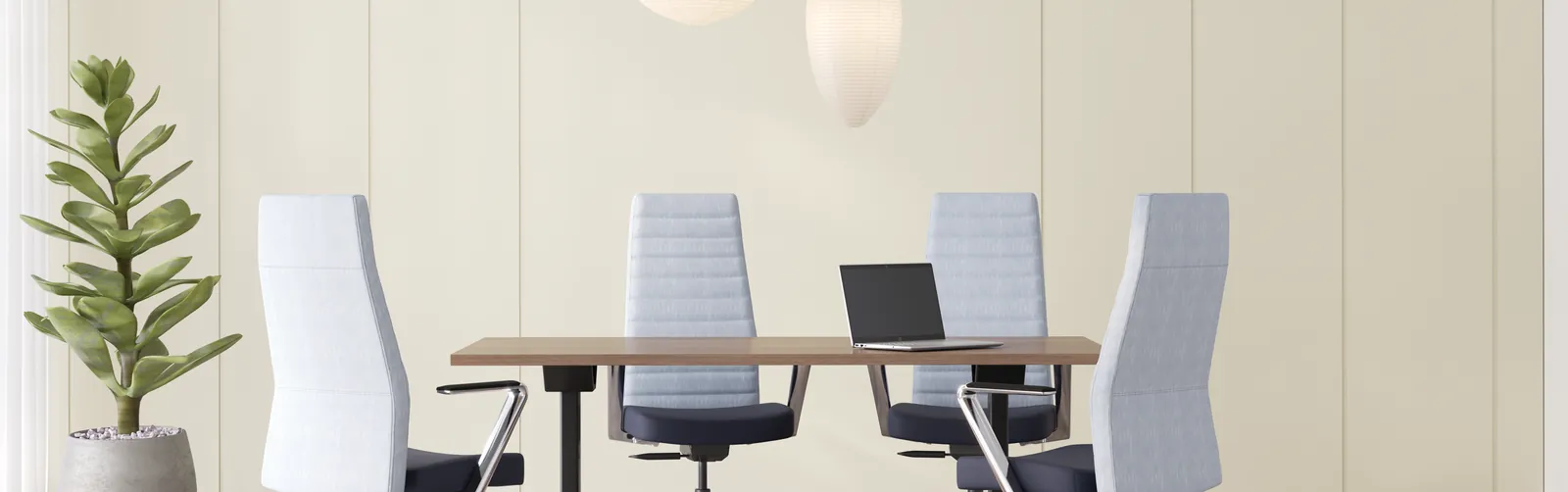
You can tell if a chair is appropriate by checking the user’s posture after one hour of sitting. A good chair keeps the user’s feet flat on the floor with the knees at a 90-degree angle.
If the user is slouching or leaning heavily on the table, the backrest is likely too far away or lacks sufficient curve. The most reliable test is the “elbow check”: if the chair arm hits the table edge, the chair is too tall or the table is too low for a comfortable, professional meeting setup.
Common Seating Mistakes to Avoid
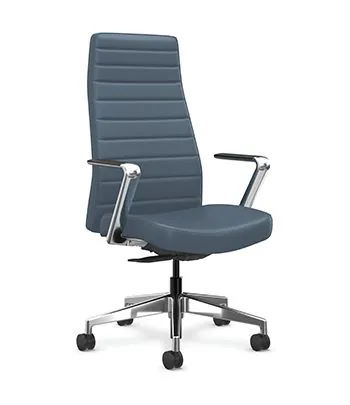
- Ignoring floor compatibility: Using hard plastic casters on polished concrete or wood floors can cause scratches and sliding issues. Always match the caster type to your flooring material to ensure safety and prevent permanent damage to expensive surfaces.
- Overlooking weight capacity: Every chair has a maximum load rating, and exceeding it voids the warranty and creates a safety risk. Check the manufacturer’s label under the seat to confirm the weight limit for your specific office environment.
- Choosing style over support: Buying chairs that match the room decor but lack ergonomic features leads to shorter, less productive meetings. Prioritize chairs with a contoured backrest to ensure attendees stay focused on the agenda rather than their physical discomfort.
Frequently asked questions
How much space should be between chairs?
You should leave at least 6 inches of space between the edges of adjacent chairs. This ensures that participants can move their arms and adjust their positions without bumping into colleagues, which is essential for maintaining a professional atmosphere during long discussions or collaborative work sessions.
Is it safe to use folding chairs for meetings?
Yes, it’s safe as long as the chairs are rated for commercial use and have a locking mechanism. Avoid using residential-grade folding chairs, as they aren’t built for the weight and frequency of use found in office environments and may collapse under heavy daily traffic.
How do I clean fabric conference chairs?
You should vacuum the fabric weekly and use a mild water-based upholstery cleaner for spills. Always test the cleaner on a small, hidden area of the chair first to ensure it doesn’t cause discoloration or damage to the fabric fibers or the underlying foam structure.
Can I replace the casters on my chairs?
Yes, you can replace casters if they’re the standard universal size, which is usually 11mm for most office chairs. Before buying replacements, remove one caster and measure the stem diameter to ensure a perfect fit, as using the wrong size will damage the chair’s base.
What is the ideal seat height for a conference chair?
The ideal seat height is between 16 and 20 inches from the floor. This range allows most adults to keep their feet flat on the ground, which is the key to maintaining proper circulation and spine alignment during meetings that last longer than one hour.
Why do some chairs have mesh backs?
Mesh backs provide better airflow, which keeps users cool during long meetings. This material is particularly useful in rooms that lack strong air conditioning or in sessions where many people are gathered in a small space, as it prevents the heat buildup common with solid upholstered chairs.
The right chair choice changes how people interact in your space. Focus on the height and the support to make sure your meetings stay productive.
Conclusion
Choosing the right seating makes a big difference in how your team collaborates. When you’re ready to upgrade your workspace, take a moment to test a few models in person. You’ll find that the right support keeps everyone comfortable and focused, so don’t hesitate to prioritize ergonomics for your next meeting room project.