
The typical lifespan of a sectional couch depends on how often it’s used and the quality of its internal frame. Most owners find that the average life of a sectional couch depends on the materials and how much weight it supports daily.
High-use areas, like family rooms with children or pets, usually see furniture wear out closer to the 7-year mark. If you only use your sectional in a formal living room, it will likely last toward the higher end of that range.
The most important factor is the frame construction. Solid hardwood frames will always outlast those made from particleboard or soft pine. The most common mistake is buying a piece based only on the fabric color while ignoring the frame warranty. A cheap frame will sag or break long before the upholstery shows signs of heavy wear.
How to extend your sectional couch life
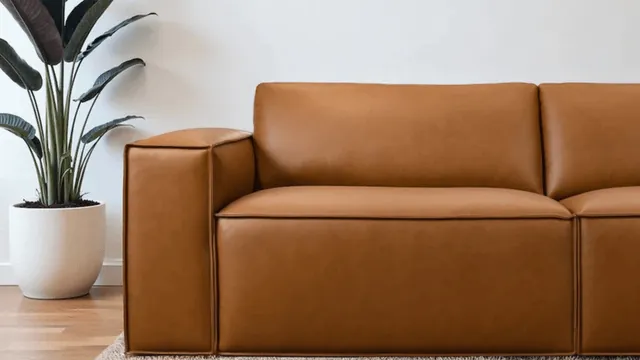
- Rotate your seat cushions every 3 months to ensure even wear across the foam.
- Vacuum the crevices weekly to remove grit and crumbs that can cut through fabric fibers over time.
- Tighten any visible bolts on the legs or frame connections once a year to prevent structural wobbling.
- Spot-clean spills immediately using water and mild soap, as Consumer Product Safety Commission guidelines suggest keeping furniture clean to prevent material degradation.
- Avoid placing the sectional in direct sunlight for long periods, which causes fabric fading and brittle leather.
- Check the manufacturer’s weight limit per seat, as exceeding this will cause the support springs to lose tension.
Tip: If you hear a creaking sound when sitting down, check the underside for loose corner blocks. Tightening these early can add years to the frame’s life.
Expected durability by material
| Material | Typical life | What changes it | What to watch for |
|---|---|---|---|
| Synthetic fabric | 7-10 years | Cleaning habits | Pilling or thinning |
| Top-grain leather | 10-15 years | Moisture levels | Cracking or peeling |
| Performance weave | 8-12 years | Pet traffic | Snags or loose threads |
| Microfiber | 6-9 years | Sun exposure | Staining and matting |
If your couch is performing well below these ranges, inspect the floor levelness. An uneven floor puts extra stress on one side of the frame, causing it to warp prematurely.
Identifying when your couch needs replacing
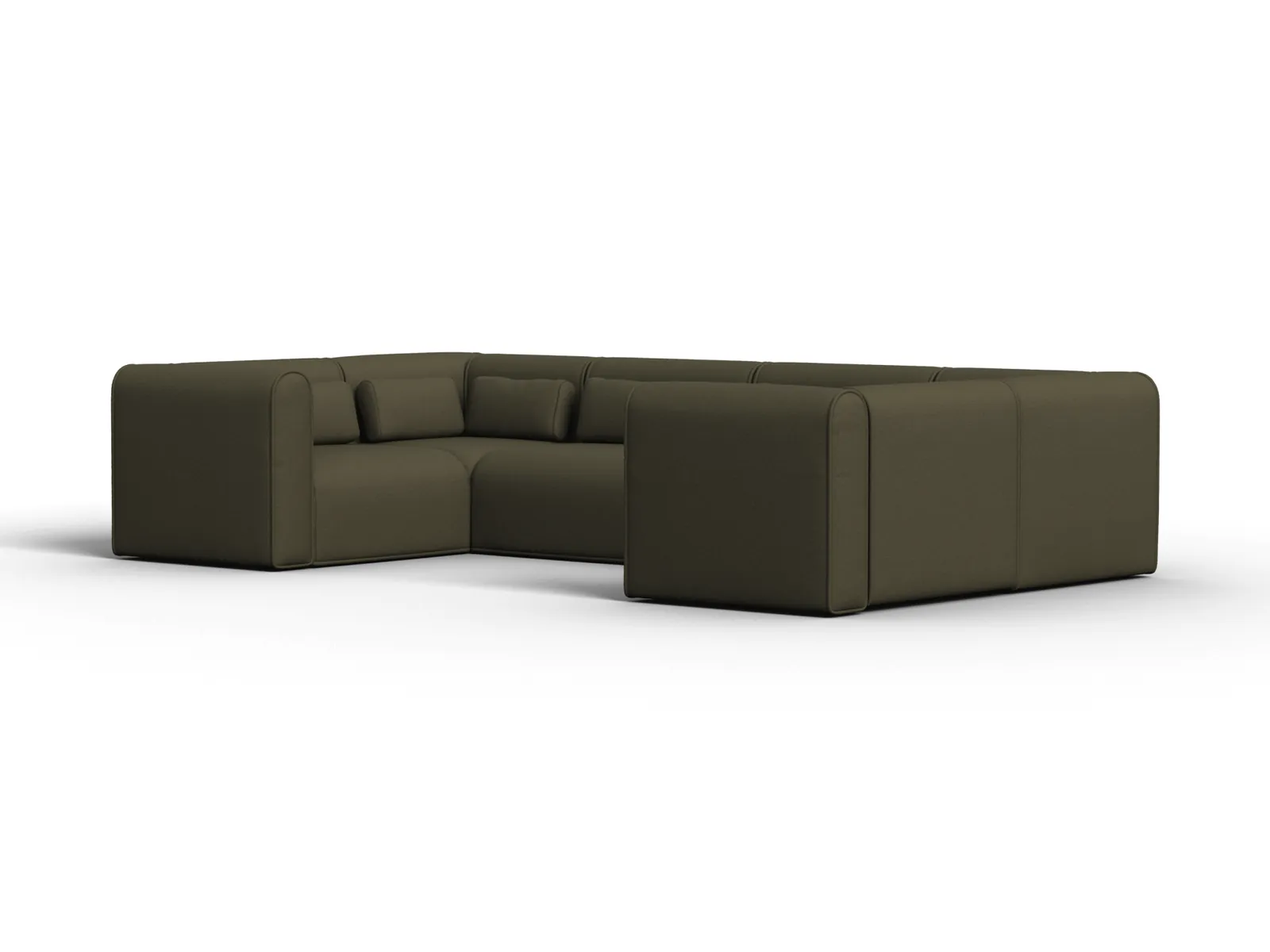
The clearest sign that a sectional has reached its end is a sagging frame that you can feel through the cushions. You should also look for exposed staples or sharp metal parts poking through the fabric, which indicate the internal padding has collapsed.
A simple test is to press your hand firmly into the center of the seat; if it doesn’t bounce back or you feel the hard wood frame, the foam has lost its density. Professional reupholstering is only worth the cost if the frame is solid hardwood and the sectional has sentimental value.
Errors that shorten furniture life
- Ignoring manufacturer cleaning codes: Using the wrong solvent can dissolve the protective finish on fabrics, leading to permanent stains. Always check the tag under the seat cushion for the recommended cleaning method.
- Neglecting to flip cushions: Keeping cushions in the same spot causes the foam to take a permanent shape, leading to a lumpy seating surface. Flip and rotate them regularly to keep the foam resilient.
- Allowing pets to jump on the frame: Repeated impact from heavy pets can snap the wooden rails or loosen the joinery. Use a ramp or discourage jumping to keep the structural integrity intact.
- Using harsh chemicals for stains: Strong cleaners can bleach the dye or weaken the fibers, making the fabric tear easily. Stick to mild soaps or manufacturer-approved products to keep the material strong.
Frequently asked questions
Can I repair a sagging sectional couch?
Yes, you can often fix minor sagging by adding a new layer of high-density foam under the existing cushions. If the sag is caused by broken support springs or a cracked frame, you’ll need to open the underside dust cover to replace the damaged components with new hardware.
How do I know if the frame is broken?
You’ll know the frame is broken if the couch feels unstable or makes loud cracking noises when you sit down. Reach underneath the piece to check for splintered wood or separated joints; if you find these, the sectional has lost its structural support and may require professional repair.
Is it safe to use a couch after the frame cracks?
No, it isn’t safe to use a couch with a cracked frame because the structure may collapse unexpectedly under weight. Continued use of a broken frame can lead to further damage to the upholstery and pose a risk of injury from sharp, exposed wood or metal parts underneath the seat.
What is the average life of a sectional couch in a busy house?
In a busy house with daily use, the average life is typically 5 to 7 years. High traffic from children and pets accelerates the breakdown of seat foam and fabric, meaning you’ll likely need to replace or professionally refurbish the unit sooner than in a quiet household.
Does leather last longer than fabric?
Yes, high-quality top-grain leather typically lasts longer than fabric with proper care. Unlike fabric, which can fray and collect dust deep in the fibers, leather is more resistant to spills and wear, though it requires occasional conditioning to prevent the material from drying out and cracking.
How often should I vacuum my sectional?
You should vacuum your sectional based on your level of use, following the recommendations in your owner’s manual. Small particles like sand or dirt act like sandpaper when you sit, grinding against the fabric fibers and causing them to wear out much faster than they would if kept clean and free of grit.
Conclusion
Always check your furniture’s specific warranty documentation, as some manufacturers provide different coverage for the frame versus the cushion foam. If your couch is nearing the end of its typical lifespan, focus on keeping the frame stable to maximize the remaining years of comfort.
Related guides